

What Is The Most Unhealthy Makeup
Are y'all using safer cosmetics? Navigating the beauty industry and finding safe products are very tricky. Today's investigation is all about safer makeup. You lot've trusted Mamavation to bring you topics like all-time & worst deodorants, best & worst face up washes & moisturizers, safest & most toxic pilus colour brands, now join united states as we have you through the makeup alley, explain what to avoid and which brands are the safest.
This commodity has been fact-checked and researched by Rebecca Elizabeth Sherrick Harks, RN, BSN. It contains affiliate links.

What You Need to Know Almost Makeup Before You Buy
I've got some bad news for you. The cosmetic industry is corrupt and putting us all in danger. Every bit I've discussed in Dark-green Enough: Eat Better, Live Cleaner, Exist Happier (All Without Driving Your Family Crazy!), there is no government agency standing between your family and the dangerous corrective ingredients that can find their way into that bottle of shampoo with a moving-picture show of your child's favorite character.
The United States treats chemicals innocent until proven guilty, which is cracking for business but bad for public wellness.
Compare this with the European Marriage and their procedures, it'southward apparent that the U.s. is lagging manner backside keeping consumers safety.The European Union forces companies to "prove" their chemicals are condom before they are allowed into commerce. And the differences are vast when applied.
Whereas the European union has banned or restricted more than ane,400 ingredients from apply in cosmetics, the United States FDA has but prohibited 8 ingredients.
Dangerous Makeup Myths That May Cause You Harm If You Believe Them Blindly
Myth #1: Going with natural and/or organic products is your safest bet.
Unfortunate Truth:
At that place is no definition of "natural" or "organic" when it comes to makeup. Just because a production is labeled natural/and organic, doesn't hateful that the corrective doesn't contain synthetic chemicals. Natural is a buzzword these days, and it'southward important to know that "natural" has very trivial significant across advertising; the FDA even tried back in 1998 to found an official term for "natural," but nothing was ever done about it. Beingness "organic" doesn't hateful annihilation either unless you run across the USDA organic seal.
Natural makeup could besides contain contaminants like PFAS "forever chemicals" as we found in our latest green beauty cosmetic guide & investigation.
Myth #2: Makeup products stating that they're "hypoallergenic" are much safer for you and your children to use.
Unfortunate Truth:
As nosotros learned in most of our children'south product investigations, about of the marketing claims, including "hypoallergenic" are unregulated, which means that manufacturers are able to claim all kinds of things that mean nil at all. These claims have been designed past major marketing boards to instill consumer confidence and so they tin sell more products, Not make you safer.
Myth #3: The FDA acts promptly to recall whatever blazon of cosmetic (or other) ingredients that cause harm.
Unfortunate Truth:
As we learned in the children'south supplements investigation, the FDA is slow to remove ingredients that children ingest, then you'd imagine that makeup is even more difficult. What's fifty-fifty uglier is the fact that the FDA has no real ability to regulate the cosmetic industry at all when things go wrong, so y'all are basically left to your own defenses at the peril of marketers that want you to purchase more.
- Manufacturers don't have to report any injuries or bug to the FDA
- The FDA has no right to pull makeup products off the market,
- The FDA relies on the makeup conglomerates to self-study any safety problems with their products voluntarily
Myth #4: You lot tin can read the label on your makeup so you tin avoid chancy chemicals.
Unfortunate Truth:
Unfortunately, cosmetic ingredients are purposely not transparent. The laws in the US let companies to omit ingredients that are problematic to man health, like the ingredients within fragrance. When you see "fragrance" on the canteen it means the visitor has decided to leave y'all in the dark most what makes up that fragrance. And legally, information technology tin contain over 3,000 chemicals, which don't have to be alleged. None of those chemicals are required to exist on the label because lobbying efforts accept focused on protecting the conception of a product and calling them "proprietary" fifty-fifty though mod technology can contrary engineer every ingredient inside the bottle to find out. Therefore, companies can hands steal each other's formulations by using a laboratory. So when a visitor refuses to be 100% transparent about their ingredients, it's non about protecting their conception, it's near refusing to be transparent.
Cosmetic manufacturers also do not demand to tell you about potential contamination, such as PFAS "forever chemicals" found in green beauty makeup.
Myth #v: Because cosmetics are applied to the skin and not taken orally, they rarely become into your body. And even if they exercise, the levels of bad-for-yous chemicals are so depression that it doesn't matter.
Unfortunate Truth:
Exposure to cosmetics comes in many forms: breathing in powder, for example, swallowing bits of lipstick, and most probable, absorbing corrective ingredients through the largest organ in your torso – your skin. Studies have plant that ingredients like paraben, preservatives, triclosan, PFAS, and a whole mess of others are ofttimes establish in the bodies of people of all ages. The enhancers that the industry uses ofttimes allows these (and many other nasty ingredients) to penetrate even further into the depths of the pare.
Another important point is many of these chemicals disrupt hormones, and those types of chemicals are linked to harm at very very small amounts like to a drop in an Olympic-sized pool. And what makes manners worse is hormone-disrupting chemicals are not tested at depression levels. They test the chemicals at loftier levels and assume what will happen at low levels without ever doing the studies. But genes switch on and off at unlike parts of the dose-response curve, so the effects are not possible to predict. Therefore, arguing the levels are too low to harm are not backed by science. In fact, the American Academy of Pediatrics has been lobbying Congress and federal agencies for years nearly hormone-disrupting chemicals and their bear on on public health. Saying the levels are too low to harm is simply wrong.
Regulation Of The Cosmetics Industry (Or Lack Thereof )
The largest tendency in the makeup industry today is going "clean." This Clean Movement for cosmetics has begun due to the frustration and cloy with regulatory oversight and companies' reliance on cheaper hormone-disrupting chemicals.
Run into, mode back in 1938, the FDA passed an human activity called the Federal Food, Drug, and Cosmetic Act, which gave the FDA authority to oversee the condom of food, medical devices, drugs, and cosmetics.
The act actually lists out some pretty articulate definitions and penalizations, simply here'due south the trouble–The FDA doesn't actually exercise whatever of that. Instead, they've passed the buck onto a group (with no power) called the Cosmetic Ingredient Review about 30 years ago. These guys are basically people that work within the industry. And in those 30 years, they haven't really washed much either.
- They've only deemed 11 ingredients or chemical groups to be unsafe. (Compared with over 1,300 in Europe)
- Aligned themselves with the big corrective companies
- Their recommendations on restricting ingredients are not bounden on companies, meaning no ane gets in trouble when they use these ingredients or chemical groups.
Problematic ingredients typically fall into 3 categories: endocrine disruptors, carcinogens, and irritants and allergens.
Problematic Endocrine Disruptors Inside Cosmetics
What? These are chemicals, substances, and compounds that may imitate our torso's natural hormones, thus interfering with our torso's normal, natural chemical signaling.
Ingredients on the Characterization: Triclosan and triclocarban, toluene, resorcinol, petroleum distillates, butylated hydroxyanisole (BHA), boric acid, sodium borate, phthalates, placenta extract, & parabens.
Scientific discipline Says: While many of the studies involving these compounds did show a straight correlation between their use and hormonal dysregulation, most of these are performed in animals and at college doses than a person would generally exist exposed to as cosmetics. This is very problematic because different genes get turned on and off at different parts of the dose-response bend. (More on that here and here.) What happens at depression doses can be just the opposite of what happens at high doses, just there have been several studies on humans showing an increase in these chemicals in our body and problems with hormone disruption at very low levels.
- Retinol (Vitamin A): Overexposure to this naturally occurring substance tin take reproductive and evolution effects, and has been linked to skin tumors and lesions. Because it is found in foundation, lipstick, moisturizers, cleansers and anti-crumbling products, every bit well as foods rich in this vitamin, your exposure can exist loftier without your realizing it.
- Phthalates: These are linked to breast cancer and are endocrine disrupters. These tin can be found in nail smooth and synthetic fragrances, including those that are added to other cosmetics. Nail polish can contain a type of chosen dibutyl phthalate, a reproductive and developmental toxin.
- Parabens: These are linked to breast cancer and are endocrine disrupters. Found in creams and lotions, and some makeup.
- Octinoxate: This chemical is likely constitute in foundations and is linked to endocrine disruption and thyroid disorders.
- Siloxanes: This ingredient is used in cosmetics to soften, smooth, and moisten things into your skin. They are disruptive to the endocrine system and reproductive system. Look for ingredients that end in -siloxane or -methicone.
Problematic Carcinogens Inside Cosmetics
What? These are compounds, substances, and chemicals that may atomic number 82 to cancer.
Ingredients on the Label: Sodium laureth sulfate (SLS), PEG compounds, & chemicals ending in -eth are all potentially contaminated with 1,4-dioxane. Formaldehyde, coal tar ingredients, petroleum distillates, (-methyl, -propy, -caprylic, such as propylene glycol), & Mineral oil.
Science Says:
- Formaldehyde (quaternium-15 and other formaldehyde-releasing preservatives): This is a large one. It'southward been labeled as a potential carcinogen by the National Cancer Constitute says its use and exposure to it has been linked to cancer germination in both animals and humans. If y'all're non swayed by that, you should know that formaldehyde ranks among the top 10 most common contact allergens. Expect for DMDM hydantoin, BHUT (butylated hydroxytoluene), bronopol, diazolidinyl urea, sodium hydrozymethylglycinate, imidazolidinyl urea, methenamine, quarternium-xv, Quaternium-18, & Quaternium-26.
- Petroleum-based (-methyl, -propy, -caprylic, such as propylene glycol) and mineral oil products: Petroleum jelly comes from residue that builds upwards on the exterior of oil rigs. Information technology is nerveless, distilled and refined and used in many cosmetics such equally lip-gloss. While many call these products safe, the toxicity depends on the refinement procedure, which is currently unregulated, and lower quality refined oil may be linked to breast cancer. Yous want to avoid liquid products with "shine" or make certain they are petroleum-complimentary. You can find these ingredients in mascara, perfume, foundation and lipstick /gloss/lotion. "White petroleum" however is safety
- PEG compounds: Polyethylene glycols, or PEGs, are petroleum-based compounds used to thicken & soften cosmetics. They are very common in foam-based products. The number next to PEG indicates how many units of ethylene glycol they comprise and the lower the number, the quicker it absorbs into your skin. They are problematic because they are often contaminated with ethylene oxide and 1,4-dioxane.
- Vinyl chloride Can cause acute toxicity, manifested by dizziness, headache, disorientation, and unconsciousness where inhaled at loftier concentrations. Studies likewise demonstrate potential carcinogenic effects. Found in cosmetic aerosol products including hair sprays
- Zirconium-containing complexes Zirconium-containing complexes have been used equally an ingredient in cosmetics, for case, aerosol antiperspirants. Evidence suggests that certain zirconium compounds have caused human skin granulomas and toxic furnishings in the lungs and other organs of experimental animals
- Chloroform has been used as an ingredient in cosmetic products. Recent information may acquaintance chloroform with carcinogenic effects.
- Polycyclic effluvious hydrocarbons (PAHs): Derived from coal, some find their mode into cosmetics. Found in moisturizer, lip balm, anti-aging products, cleansers and more than.
- Talc: The toxicity of this production is controversial, but information technology has been linked to respiratory issues. Found in loose powder makeup, blush, and centre shadow. However, in the time since I initially did this enquiry, Johnson & Johnson was sued and ordered to pay $72 one thousand thousand to a family of a adult female who died from ovarian cancer. For this ruling, the jury constitute that J&J had failed to warn users of the risk of using talc. Bottom line: while there is mixed evidence on this products as far as studies are concerned, this judgment should have anyone who uses talc concerned. Read more than in depth at the American Cancer Society, who recommends: "Until more data is available, people concerned about using talcum powder may desire to avoid or limit their use of consumer products that contain it." At that place is such a thing as asbestos-free talc, but nigh brands using talc are not paying a premium for that.
- Titanium dioxide: this is a key ingredient in many sunscreens, which are so added to mineral makeup, foundations, and other cosmetics. Inhalation – which, if you're using it equally powder or as a foundation – is possibly linked to cancer. Nano titanium dioxide is really the trouble here and what virtually brands are using. The titanium dioxide that is non-nano is fine.
- one,3-butadiene: This carcinogen lurks in many items, including foundation. Studies past the Department of Health and Human Services (DHHS), IARC, and EPA take determined that ane,3-butadiene is a human carcinogen. Studies have shown that people regularly exposed to 1,3-butadiene may have an increased take chances of cancers of the tum, claret, and lymphatic arrangement.
- Methylene chloride: This has been banned as products using methylene chloride pose a pregnant cancer run a risk to consumers. Institute as an ingredient of aerosol cosmetic products, principally hair sprays.
- Butylated hydroxytoluene (BHT) and butylated hydroxyanisole (BHA): Toulene based ingredients used as preservatives. Linked to cancer linked to a broad range of health concerns, including organ organization toxicity, peel irritation, and more. The National Toxicology Program classifies BHA as "reasonably anticipated to be a human carcinogen."BHA has been linked to reproductive and developmental toxicity and too been identified on California's Proposition 65 list as a possible carcinogen.
- Carbon black: An ingredient found in eyeliners which is linked to cancer and organ toxicity. This ingredient has many names like: arrow, arovel, arogen, aqueduct blackness, pigment black 6, pigment black 7, acetylene black, froflow, atlantic, and black pearls.
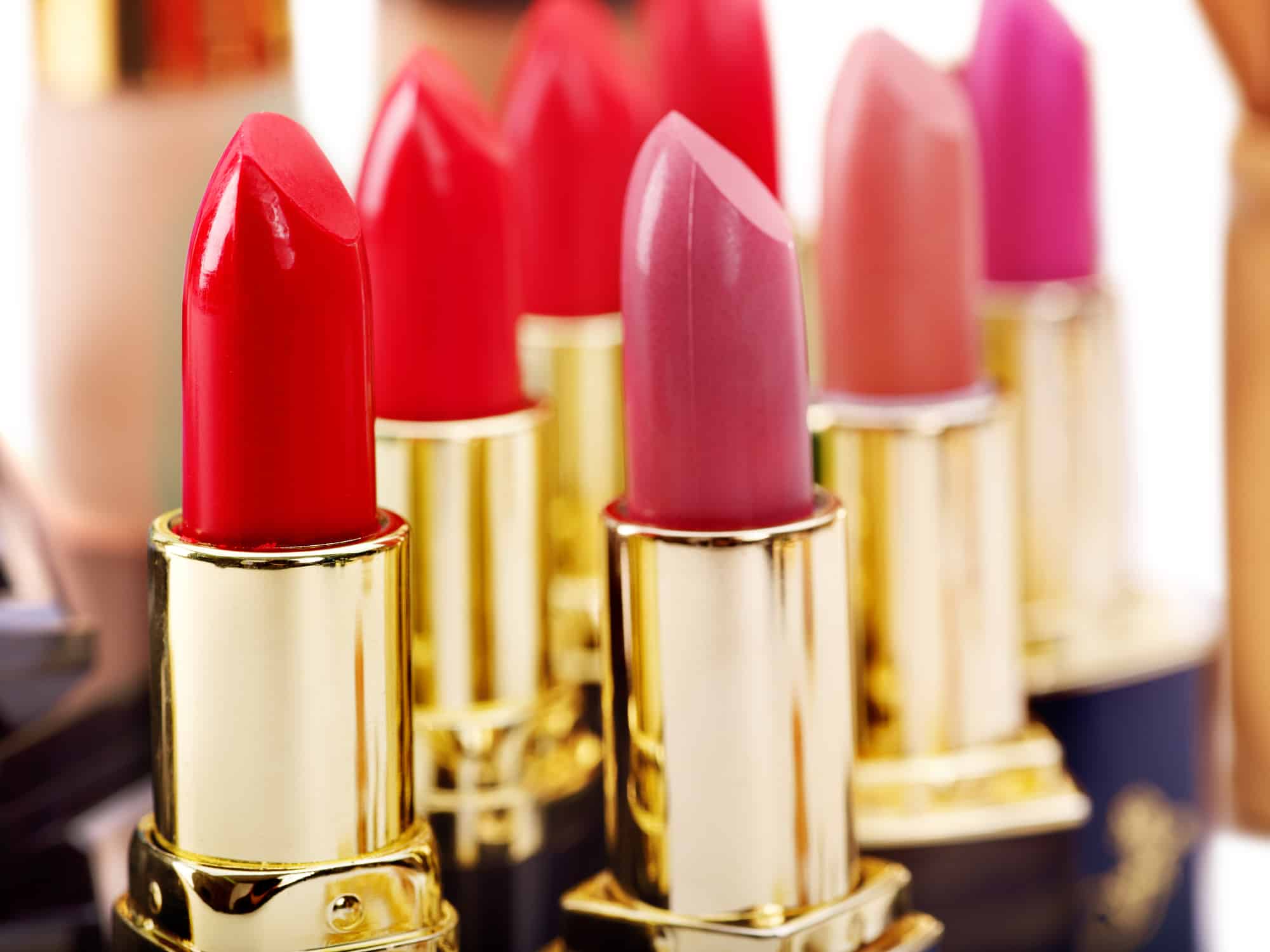
Problematic Irritants and Allergens Within Cosmetics
What? Y'all know, the stuff that makes your torso react. Non everyone reacts to irritants and allergens, but if you do react, these ingredients may be the culprit.
Ingredients on the Label: Methylisothiazolinone (MI), methylchloroisothiazolinone (MCI), vitamin A derivatives, "fragrance", petroleum distillates, mica, and formaldehyde.
Science Says: MI/MCI, fragrance, and formaldehyde are known causes of contact dermatitis, which is a nasty, painful poison ivy-like rash that tin become chronic with repeated exposure. This is so mutual that all iii have been named "Allergen of the Year" by the American Contact Dermatitis Society, in part due to the prevalence of contact dermatitis experienced when using many ordinarily used products.
It's important to understand that both synthetic and natural ingredients can cause irritation, and then if you have sensitive pare, the ingredients below may make you react. If y'all do non have sensitive skin, pay closer attending to the other categories.
- Common Irritants Establish Inside "Fragrance": Both natural & synthetic ingredients tin cause pare irritation. Some examples are: 3-Cyclohexene Carboxaldehyde, Alpha Amyl Cinnamic Alcohol, Anthemis Nobilis (Chamomile), Amyl Cinnamal, Anisyl Alcohol, Balsam of Peru (Myroxylon Pereirae), Benzaldehyde, Benzyl Alcohol, Benzyl Benzoate, Benzyl Cinnamate, Benzyl Salicylate, Butylphenyl Methylpropional, Cassia Oil, Chamomile (Anthemis Nobilis), Cinnamal, Cinnamic Alcohol, Cinnamic Aldehyde, Cinnamon Leaf Oil, Cinnamyl Booze, Citral, Citrus, Citronellol, Clove Oil, Cologne, Coumarin, Ethylene Brassylate, Eugenol, Evernia Furfuracea, Evernia Prunastri, Farnesol, Geraniol, Herbal Extracts, Hexyl Cinnamal, Hydroxycitronellal, Hydroxylisohexyl 3-Cyclohexene Carboxaldehyde, Isoeugenol, Isomethyl Ionone, Limonene, Linalool, Lyral, Masking Fragrance, Methyl two-Octynoate, Oakmoss accented, Perfume, parfum, Plant, blossom, fruit, nut oils, Yarrow (Achillea Millefolium)
- Bismuth Oxychloride: Bismuth oxychloride is found naturally in rare mineral bismoclite. It'southward used in mineral makeup to give you that matte appearance while adhering to your skin. When processed, information technology tin be irritating. Pay close attending to heavy metallic levels to ensure yous are getting ingredients that are safe because this ingredient tin can also increase the amount of lead.
- Lanolin: The contaminants found inside lanolin can cause skin irritation. This can be caused by synthetic pesticide contagion used to care for the wool for pests. Wait for: Lanolin (hydrous and anhydrous), Hydrogenated Lanolin, Lanolin Alcohol, Wool Fat, Wool Wax, Alcohols (Wool Alcohol)
- Halogenated salicylanilides (di-, tri-, metabromsalan and tetrachlorosalicylanilide) These have been used equally antimicrobial agents in cosmetic products. These halogenated salicylanilides are potent photosensitizers and cross-sensitizers and tin can cause disabling skin disorders.
- Bithionol: This has been banned past the FDA every bit it tin crusade cross-sensitization and photosensitivity. Found as an antibacterial agent in cosmetic preparations such as detergent bars, shampoos, creams, lotions, and bases used to hide blemishes.
- Mica: The dust left from mica has sharp edges, which can be inhaled and peradventure be a respiratory irritant – or worse. The problem is there is no reliable data on this irritant. Mica has "shine," so it is often used in loose powder products that glimmer. Beautycalypse has a comprehensive commodity on the scientific discipline (or lack of) in mineral makeup products.
- Talc: The toxicity of this product is controversial, but it has been linked to respiratory issues. Institute in loose powder makeup, chroma, and eye shadow. Still, in the time since I initially did this research, Johnson & Johnson was sued and ordered to pay $72 million to a family of a woman who died from ovarian cancer. For this ruling, the jury found that J&J had failed to warn users of the risk of using talc. Bottom line: while there is mixed evidence on this products as far as studies are concerned, this judgment should take anyone who uses talc concerned. Read more in depth at the American Cancer Society, who recommends: "Until more information is available, people concerned near using talcum powder may desire to avoid or limit their use of consumer products that comprise it." In that location is such a affair equally asbestos-free talc, only most brands are not paying the premium for those ingredients.

More Ingredients to Avoid Considering You Don't Need All That Negativity In Your Life, Right?
- Toluene: Found in nail products, this toxin can cause confusion, retentiveness loss, exhaustion, and impede clarity.
- Lead: This a known neurotoxin is linked to learning disabilities, behavioral problems, miscarriage, infertility, and tin can disrupt puberty in girls. Found in nail polish, lipstick, and foundation.
- Nanoparticles: When nanotechnology beginning entered into the world of cosmetics, nearly of usa were pretty excited. These tiny nanoparticles range between ane-100 nanometers in diameter. That'south really small. They are well-nigh 80,000 times smaller than the width of a homo hair, or they are as big equally ane/v,000th the thickness of a sail of paper. Research has found some alarming problems with nanoparticles when it comes to destroying useful microorganisms in the environment & homo wellness.
- Titanium Dioxide (TiO2):While initially praised for being able to help better protect the skin from UV damage, we've learned that the titanium dioxide nanoparticles are actually more toxic than the standard size particles. While no man studies currently take concluded, mice and rats exposed to nanoparticle sized TiO2 feel major lung inflammation and significant Dna damage. Conspicuously, this is concerning as to whether or non this would affect humans in the same manner.
- Zinc Oxide (ZnO): Studies have establish that even depression concentrations of ZnO may lead to damage in homo skin cells. However, a review of the risks of nano-structured TiO2 and ZnO found nanoparticles of TiO2 and ZnO are unlikely to laissez passer through the skin due to how they are spring. The researchers ended both materials are safe to apply as UV filters; however, these two types of nanoparticles are still undergoing major studies.
- Argent:Nanoized argent may lead to oxidative stress and resulting cell damage. Silver nanoparticles have shown toxic furnishings on the male reproductive system, as enquiry suggests that nanoparticles cross the blood-testes barrier where they can be deposited into the testes with the potential for adverse effects on sperm cells.Research shows that silver nanoparticles tin can bind to unlike tissues and can cause a number of toxic furnishings that gradually atomic number 82 to prison cell death.
- Fullerenes:Fullerenes are carbon tubes often used in anti-aging and eye creams that may penetrate into the top two layers of the skin (the epidermis and dermis). These nanoparticles also brand the pare unusually sensitive to light, leaving cells vulnerable to the effects of UV lite exposure.
- Silica: Nanoized silica may lead to pregnancy complications when injected intravenously into pregnant mice every bit it seems that nanoized silica can cross the placenta, leading to deposits in the fetal liver and fetal brain. Nanoparticle-sized crystalline silica (SiO2) nanoparticles may crusade cell damage which could cause cell mutations and creation of cancer cells with two nuclei in man in vitro cells.
- Carbon Black: Nanoparticle-sized carbon blackness particles may alter the genetics of lung cells, lead to inflammation and inhibit the growth of cells that line the circulatory system. Research now suggests that nanoparticle-sized carbon blackness may pb to mutations in the lung cell of rats later on a 15 month exposure time.
- Synthetic Biology: Constructed biology changes the genetic code of living entities by editing portions of their DNA. New genes are not introduced like conventional genetically modified organisms (GMOs), simply instead, their Deoxyribonucleic acid is changed through a cistron-editing applied science called CRISPR. Genes are added, removed, turned on or off, or completely rewritten. What could possibly go wrong, right? These ingredients have not been tested for rubber because the Feds don't consider them chemically similar to ingredients they supersede. Here are some of the ingredients you volition notice that volition never admit to being "synbio" but we know it'south a very good possibility:
- Sugar pikestaff-derived Squalane emollient
- Algal oils, particularly in Unilever products like Dove
- "Beast-gratis" collagen
- Bluish, scarlet, & purple pigments
- Retinoids
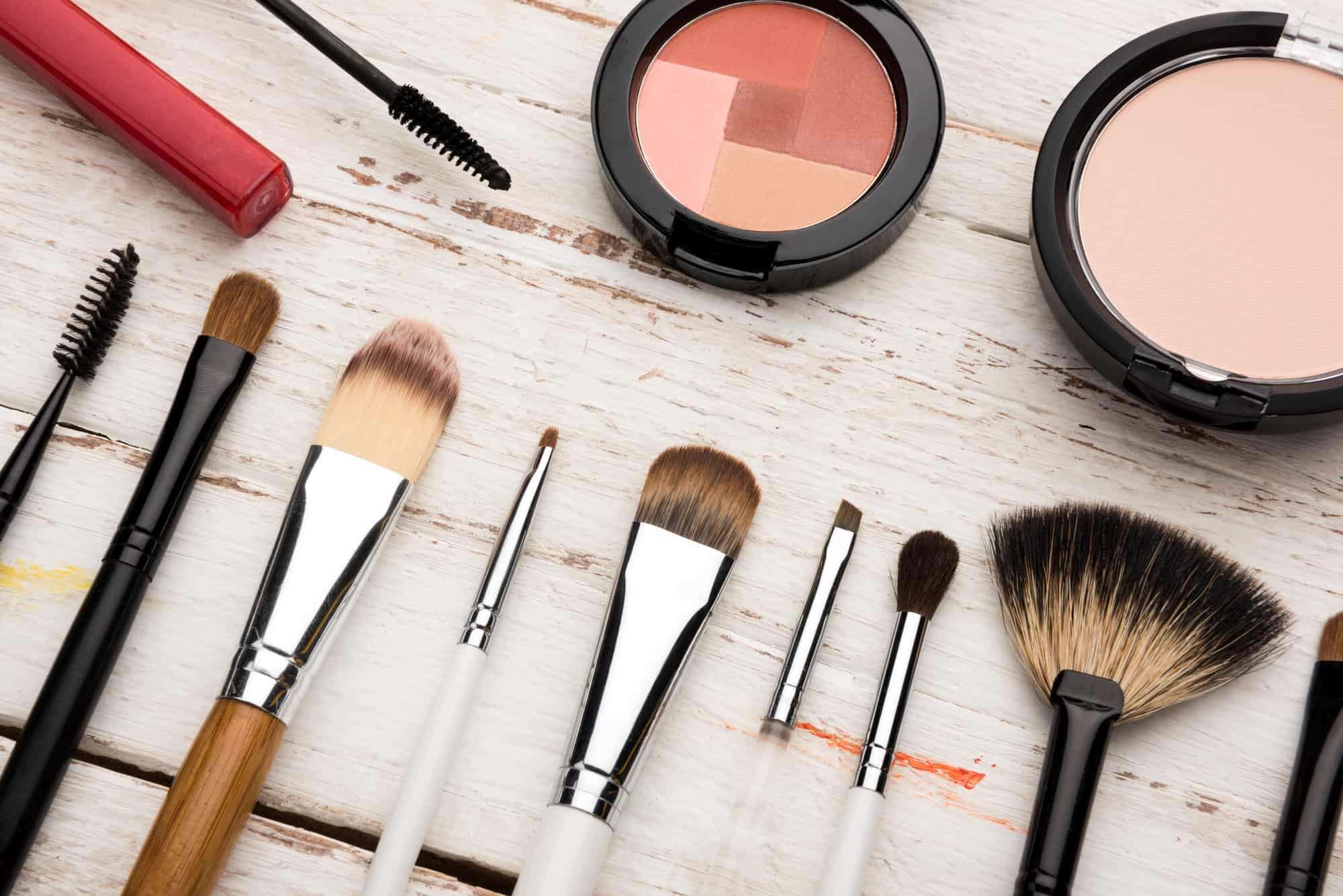
Is In that location Such a Thing As Clean, Natural Or Safe Makeup? It's Complicated.
During the last few years, the clean/natural beauty industry has been expanding significantly. As this industry is largely unregulated, all of these terms caused much confusion: the words "make clean," "natural," "safe," "non-toxic," and "green" are often used interchangeably. Because the FTC (Federal Trade Commission) and the FDA (Federal Drug Administration) aren't regulating the usage of these words, they're all pretty much meaningless. Sometimes "natural" means plant-based ingredients, but past in big it's fairly nonspecific.
Even more confusing is everyone's favorite word: "organic." In cosmetics, there really is no such thing. The USDA organic seal only applies to agriculture and nutrient, non cosmetics. So when you encounter the USDA organic seal that'south because that brand has decided to utilize food-grade organic ingredients inside. Yeah, you tin can literally eat those ingredients. But I wouldn't recommend it because information technology will taste nasty. But buyer beware, a company can employ give-and-take "organic" in their marketing without actually having organic ingredients inside. Look for the USDA organic seal to exist sure.

NEWS FLASH: Cosmetic Companies Have Paid Out Millions In Settlements. Buyer Beware!
The cosmetic manufacture has been rife with lawsuits in the past couple of years for good reason–harmful chemicals can destroy lives.
In 2018, industry bigwig Johnson & Johnson was ordered to pay $4.7 billion dollars to women who'southward use of baby powder caused ovarian cancer, which is i of those cancers that's rarely discovered earlier it is as well late.
Later on when haircare giant, Wen, settled a 26 million dollar settlement to victims of ane of their hair products that was allegedly making people's hair fall out, we collectively freaked out because that was supposed to be a "natural" brand.
Unfortunately, these are prime examples of what the cosmetic manufacture is immune to get abroad with daily because no i is monitoring them.
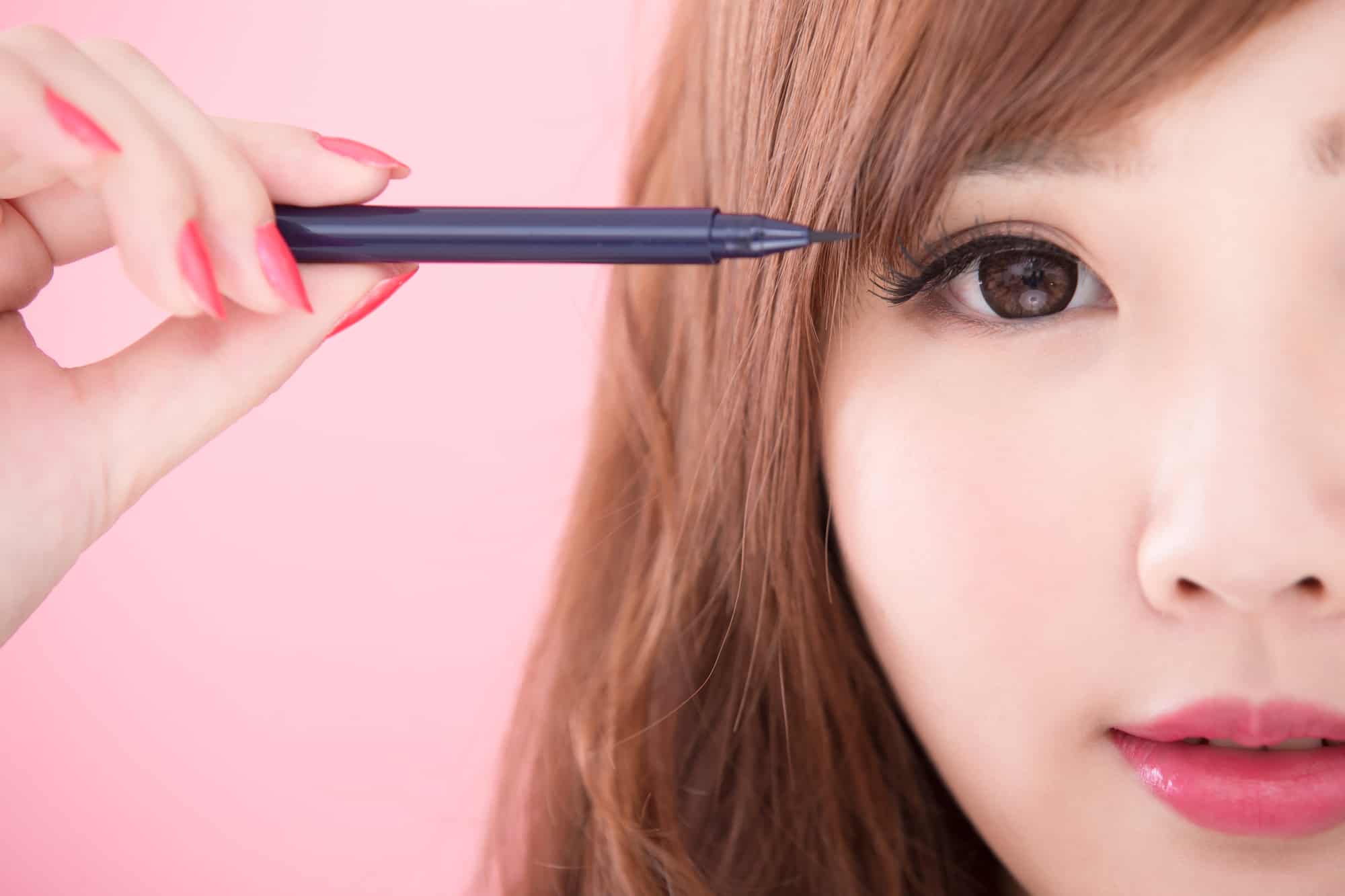
Is Mineral Makeup Really Meliorate For You?
The short answer to that question is no. Mineral makeup has been around since early on cavern-dwellers wanted to put basis-up minerals onto their peel as war paint, for ornament, and perhaps even for camouflage. Unfortunately, minerals mined from the globe also contain heavy metals, which means mineral makeup exposes you to heavy metals similar pb. And this is actually far more serious than mineral makeup brands are telling you.
In 2007, the Entrada for Prophylactic Cosmetics released the written report testing 33 brands of lipsticks for lead content. 61% of lipsticks contained lead, with levels ranging up to 0.65 ppm. Subsequently, the FDA tested xx lipsticks and constitute atomic number 82 in each one ranging from 0.09 ppm to 3.06 ppm with an average of 1.07 ppm. And so in 2010, the FDA followed up more than testing and found lead in 400 lipsticks tested, ranging from 0.026 ppm to 7.nineteen ppm with an average of 1.eleven ppm.
Then in 2011, the Canadian Environmental Defence force tested 49 face makeup products for the presence of arsenic, cadmium, lead, nickel, glucinium, thallium, mercury, & selenium. 7 out of 8 products had detectable levels of those heavy metals.
More than recently in 2013, the Academy of California researchers institute chromium, cadmium, aluminum, manganese, and atomic number 82 in all 24 lip glosses and 8 lipsticks they tested. Most of the tested lip products independent loftier concentrations of titanium and aluminum. All examined products had detectable manganese. But the biggest culprit was lead detected in 24 products (75%), with an average concentration of 0.36 ± 0.39 ppm.
We also institute in this lengthy investigation that several brands of mineral makeup contain many of the harmful ingredients we've been trying to avoid, like antifreeze, titanium dioxide, formaldehyde, mica, and talc.
Mamavation's Light-green Beauty Guide with fourscore+ Labs on Indications of PFAS "Forever Chemicals" Final Results
Mamavation tested 83 beauty products from 49 different dark-green beauty cosmetic brands, mostly mascara and lip products. To make up one's mind the concentration samples of each product, we took the median effect of all samples that had detectable levels. The median exposure level of all detectable results was thirty ppm.
Nosotros then identified three exposure levels: anything above xxx parts-per-million (ppm) we considered loftier, anything betwixt 10 ppm and 29 ppm we considered medium exposure, and annihilation beneath 10 ppm was low. Our measurements could detect organic fluorine down to ten ppm, therefore anything lower was below the limits of detection of our chemical assay.
The lab results told us that65% of greenish beauty products had detectable levels of organic fluorine. Hither's the total analysis:
- 65% of greenish beauty cosmetic products tested had detectable levels of organic fluorine, while 35% of products did not accept detectable levels.
- Of the products with detectable levels of organic fluorine, the range was from 10 ppm to 865 ppm.
- Of the products with detectable levels of organic fluorine, the median amount was 30 ppm.
- eight products tested exceeded 100 ppm.
- Lipstick wearers beware — 76% of lip products had detectable levels of organic fluorine. Another exposure here is being kissed by someone else with lipstick that has detectable fluorine.
- 64% of mascara had detectable levels of organic fluorine.
Our interest in reporting and organizing consumer studies on PFAS is to inform consumers. Please go along in listen this is a snapshot of green beauty makeup products at one point in time. Our study does not represent every lot of every product. It also will not consistently correspond what the consumer is exposed to based on how the cosmetic formulas separate and pool over fourth dimension. And then please expect varying levels from product to product and make to make.
We used a standardized exam that is good for spot-checking, merely non identifying specific PFAS chemicals. Therefore, what is done for academic research is far more than sophisticated and the number of products would be larger. Having said that, this examination is a good method to check to see if organic fluorine is present in the sample. Organic fluorine likely indicates the presence of PFAS. However, it's possible that other ingredients similar fluorinated pharmaceuticals, fluorinated plastics, or fluorinated cleaning product chemicals could end up in the final result.
Not Our Favorite Dark-green Beauty Cosmetic Brands with High Levels of PFAS "Forever Chemicals"
In this category, you'll find brands that had medium to loftier fluorine levels. This report saw a median of 30 ppm so we used that as our rank in this category. We have decided to put whatsoever make with medium levels of fluorine and above in this section. Each brand mentioned below will haveat least i product tested with over 30 ppm of organic fluorine. However, you'll notice that a couple of brands in this section had one other product with non-detectable levels of fluorine and we linked up some of those products for yous.
- Axiology: Axiology Lip to Lid Balmie-Watermelon (232 ppm organic fluorine)
- Alima Pure: Alima Pure Fifty Velvet Lipstick – Rouge A Levres Velvet Lips (non-notice) & Alima Pure Natural Definition Mascara (33 ppm organic fluorine)
- Antonym Cosmetics: Antonym Cosmetics Lola Lash Mascara (non-detect) & Antithesis Cosmetic Peel Esteem Foundation Dark (53 ppm organic fluorine)
- Au Naturale: Au Naturale Lip Gloss (52 ppm organic fluorine)
- Burts Bees: Burts Bees All Aflutter Mascara (357 ppm organic fluorine), Burts Bees Nourishing Mascara (357 ppm organic fluorine), Burts Bees Lip Shimmer (36 ppm organic fluorine)
- Clove & Hallow: Clove & Hallow Lip Velvet Liquid Lipstick (865 ppm organic fluorine)
- Coastal Classic Creations: Littoral Classic Creations Lash Drama Volumizing Mascara (not-detect) & Coastal Classic Creation Lipstain (541 ppm organic fluorine)
- Elate Cosmetics: Elate Mascara Essential Mascara (non-detect) & Elate Moisturizing Lip Gloss Radiate (145 ppm organic fluorine)
- Ere Perez: Ere Perez Avocado Waterproof Mascara (54 ppm organic fluorine) & Ere Perez Mango Lip Honey (eighteen ppm organic fluorine)
- FitGlow Dazzler: FitGlow Beauty Lip Colour Serum (non-detect) & FitGlow Beauty Vegan Good Lash Mascara (37 ppm organic fluorine)
- Gabriel: Gabriel Mascara Black (21 ppm organic fluorine) & Gabriel Lip Gloss Ambrosia (37 ppm organic fluorine)
- Hynt Beauty: Hynt Beauty Mascara (31 ppm organic fluorine) & Hynt Beauty Aria Pure Lipstick (29 ppm organic fluorine)
- Ilia: Ilia Limitless Lash Mascara (non-detect) & Ilia Balmy Gloss Tinted Lip Oil Saint (35 ppm organic fluorine)
- Juice Beauty: Juice Beauty Phyto Pigments Ultra Natural Mascara (non-detect) & Juice Beauty Phyto Pigments Satin Lip Cream (33 ppm organic fluorine)
- Kosas: Kosas Large Clean Longwear Volumizing Mascara (non-discover) & Kosas Lip Oil Gloss (32 ppm organic fluorine)
- Limelife past Alcove: Limelife by Alcove Liquid Lips- Ruby-red (535 ppm organic fluorine)
- Mineral Fusion: Mineral Fusion Volumizing Mascara (62 ppm organic fluorine) & Mineral Fusion Lip Gloss (ten ppm organic fluorine)
- Poofy Glam Cosmetics: Poofy Glam Hard disk Mascara (37 ppm organic fluorine)
- PUR: PUR Fully Charged Magnetic Mascara (33 ppm organic fluorine) & PUR Hybrid Balm CBD Lip & Cheek Balm (89 ppm)
- Pyt Beauty: Pyt Beauty Pump Information technology Upwardly Lip Gloss (non-detect) & Pyt Beauty Swipe Right 12 60 minutes Mascara (122 ppm organic fluorine)
- TOK Beauty: TOK Beauty Optics that TOK Lash Enhancing Mascara (non-detect) & TOK Dazzler Lip Tonic Kind (76 ppm organic fluorine)
- Immature Living (Savvy Minerals): Savvy Minerals past Young Living Wish Lipstick (39 ppm organic fluorine), & Savvy Minerals by Young Living Mascara (29 ppm organic fluorine)
- Zerro & Co: Zerro & Co Mascara (not-observe) & Zerro & Co Lip Balm (58 ppm organic fluorine)

Better Dark-green Beauty Cosmetic Brands with Lower Levels of PFAS "Forever Chemicals"
These are the green beauty products that have low levels of fluorine below xxx ppm. Yous'll find, we tested 1-2 of each brand and at least one of their products tested for detectable organic fluorine below 30 ppm. However, you lot'll also notice that some of these brands had one production with non-detectable levels of organic fluorine, while another product had detectable levels. Nosotros are still linking upwardly some of the products that had not-detect levels for y'all to make them easy to purchase.
- Blank Minerals:Blank Minerals Lashtopia Mega Volume Mascara (19 ppm organic fluorine)
- Bloom Vivid: Bloom Vivid Mascara (21 ppm organic fluorine)
- C'est Moi: C'est Moi Lip Gloss Elation Color (11 ppm organic fluorine) & C'est Moi Muse Mascara (8 ppm organic fluorine)
- EcoLips: EcoLips Unflavored PlantPod Lip Balm (19 ppm organic fluorine)
- Honest: Honest Extreme Length Mascara (25 ppm organic fluorine)
- Inika Cosmetics: Inika Mascara (xiii ppm organic fluorine)
- Josie Maran: Josie Maran Argan Black Oil Mascara (25 ppm organic fluorine) & Josie Maran Argan Infinity Lip & Cheek (non-detect)
- Kari Gran: Kari Gran Lip Whip Suji (26 ppm organic fluorine)
- Kjaer Weis: Kjaer Weis Cherry-red Liquid Lips (26 ppm organic fluorine)
- Mad Hippie: Mad Hippie Plum Cheek & Lip Tint (22 ppm organic fluorine)
- Pacifica: Pacifica Aquarian Gaze H2o-Resistant Long Lash Mascara (21 ppm organic fluorine)
- Real Purity: Real Purity Lengthening Mascara (11 ppm organic fluorine)
- Rejuva Minerals:Rejuvena Tint Lip Gloss (xiv ppm organic fluorine) & Rejuva Minerals Mascara (xx ppm organic fluorine)
- RMS: RMS Mascara (12 ppm organic fluorine)
- Saie: Saie Mascara Lengthening & Lifting Mascara (non-detect) & Saie Really Good Gloss Sweetness (17 ppm organic fluorine)
- Tarte: Tarte Maneater Mascara (20 ppm organic fluorine)
- Thrive Causemetics: Thrive Causemetics Liquid Lash Extension Mascara (non-discover) & Thrive Causemetics Lipstain (28 ppm organic fluorine)
- Vapour Cosmetics: Vapour Elixir Lip Gloss (10 ppm organic fluorine)
- W3LL People: W3LL People Bioextreme Lip Gloss (18 ppm organic fluorine) & W3LL People Volumizing Mascara (non-detect)
- Westman Atelier: Westman Atelier Centre Love You Too Mascara (non-detect) & Westman Atelier Squeaky Clean Liquid Lip Balm (19 ppm organic fluorine)
All-time Green Beauty Cosmetic Brands Sans PFAS "Forever Chemicals"
These brands did not have detectable fluorine at 10 parts per 1000000 in the products that were tested. This does non hateful that they don't have whatever PFAS, but it means that it was non detectable at 10 parts per one thousand thousand, which is the standardized examination nosotros used for this investigation. In the time to come, we hope to exam down to lower levels as those tests & methods go more affordable.
- 100% Pure: 100% Pure Fruit Pigmented Mascara (not-notice), 100% Pure Lip Caramel Lip Gloss (non-find), & 100% Pure Bamboo Blur Tinted Moisturizer (non-detect)
- Beautycounter: Beautycounter All-n-i Mascara (non-detect), Beautycounter Beyond Gloss (not-detect) & Beautycounter Skin Twin Featherweight Foundation (not-find)
- Crunchi: Crunchi Shattered Mascara (non-detect), Crunchi Datenight Hydrogloss (non-detect) & Crunchi My Alibi Concealer (non-detect)
- Henne: Henne Luxury Lip Tint – Desire (non-detect)
- Lily Lolo: Lily Lolo Natural Mascara (not-find)
- Pure Haven: Pure Oasis Mascara (non-find), Pure Haven Articulate Polish Lip Gloss (non-detect), & Pure Oasis Tinted Moisturizer (non-detect)

What Is The Most Unhealthy Makeup,
Source: https://www.mamavation.com/beauty/safer-cosmetics-investigation-non-toxic-makeup.html
Posted by: reevenonsts.blogspot.com
0 Response to "What Is The Most Unhealthy Makeup"
Post a Comment