

What Is The Chemical Makeup Of Wood
Forest main chemical properties
The listed chemical elements form the basic organic substances: cellulose, lignin and hemicelluloses. Cellulose is a natural polymer, a polysaccharide with a long chain molecule. The cellulose formula (C6H10O5) n, where n is the degree of polymerization, is 6000-14000. This is a very persistent substance, insoluble in water and ordinary organic solvents (booze, ether, etc.), white. Beams of macromolecules of cellulose - the finest fibers are called microfibrils. They course the cell wall of the cell wall. Microfibrils are oriented mainly along the long axis of the cell, betwixt them is lignin, hemocelluloses, and water. Lignin is a polymer of an aromatic nature (polyphenol) of complex structure; contains more carbon and less oxygen than cellulose. Information technology is with this substance that the process of lignification of the immature cell wall is associated. Lignin is chemically unstable, easily oxidized, reacts with chlorine, dissolves when heated in alkalis, aqueous solutions of sulfuric acid and its acid salts. Hemicellulose is a grouping of polysaccharides, which includes pentosans (C5H8O4) n and hexosans (C6H10O5) n. At starting time glance, the hexo-form formula is identical to the cellulose formula. However, the degree of polymerization in all hemicelluloses is much smaller and amounts to 60-200. This indicates a shorter concatenation of molecules and a lower resistance of these substances compared to cellulose. In addition to bones organic substances, wood contains a relatively small corporeality of extractive substances (tannins, resins, gums, pectins, fats, etc.) soluble in water, alcohol or ether. Every bit raw materials, forest is consumed past 3 branches of the chemical manufacture: pulp and newspaper, hydrolysis and wood chemic industry. The pulp and paper industry produces lurid for paper, cardboard and a diverseness of cellulose materials (cellulose derivatives), as well as woods fiber boards. Based on the loftier chemical stability of cellulose, by the activeness of various agents, less stable substances accompanying it are transferred to the solution. There are three groups of methods for the industrial production of cellulose: acidic, alkali and neutral. The pick of this or that method depends mainly on the rock limerick of the candy wood raw materials. The group of acidic methods include sulfite and bisulphite. In the sulphite process, the wood of small spruce conifers (bandbox, fir) and a number of hardwoods is used as a raw material. The bisulphite method makes information technology possible to use wood of nigh any kind for the production of cellulose. To the group of alkali methods are sulphate and neutral. The nearly widely used sulfate method. Chopping is carried out in a solution of sodium hydroxide and sodium sulphide. The sulphate method makes it possible to obtain stronger fibers. Advantages of this method include a shorter duration of cooking, also as the ability to acquit out the procedure in a closed circuit (by regenerating the liquor), which reduces the take a chance of contamination of h2o bodies. In this way, more than than half of the pulp produced in the earth is produced, since information technology allows the use of wood of whatsoever kind. Neutral - a method of obtaining cellulose from hardwood, in which the cooking liquor contains substances (monosulfites) having a reaction close to neutral. Derivatives of cellulose are widely used. In the interaction of cellulose with solutions of caustic soda, nitric and sulfuric acids or acetic anhydride, artificial fabrics (staple, viscose and acetate silk), cord fiber for the manufacture of automobile and shipping tires, cellophane, celluloid, film and photographic film, nitrocellulose, nitrocellulose and other products. The interaction of aqueous solutions of acids with forest leads to the hydrolysis of cellulose and hemicelluloses, which turn into uncomplicated sugars (glucose, xylose, etc.). These sugars tin can be subjected to chemical processing, obtaining xylitol, sorbitol and other products. Yet, the hydrolysis industry is mainly oriented towards the subsequent biochemical processing of sugars. The hydrolysis reaction occurs at a rather loftier temperature (150-190 ° C). When the hydrolyzate (an aqueous solution of simple sugars) is cooled, vapors are formed, from the condensate of which furfural is produced. It is used in the product of plastics, synthetic fibers (nylon), resins, the manufacture of medicines (furatsilina, etc.), dyes and other products. With further processing of the hydrolyzate, fodder yeast, ethyl booze (ethanol), carbon dioxide are obtained. Ethanol is produced just from coniferous forest, used every bit a solvent and, increasingly, as fuel. When heating wood without access to air, pyrolysis takes identify. As a result of pyrolysis, coal, zizka (liquid) and gases are formed. Charcoal, characterized by high sorption capacity, is used for cleaning industrial solutions, wastewater, in the product of carbohydrate, in the smelting of non-ferrous metals, in the manufacture of medical preparations, semiconductors, electrodes and for many other purposes. Zizka is a solution of decomposition products used in the production of antiseptics, phenols, acerb acids. The gases formed during pyrolysis of wood are used every bit fuel. In addition to depression-quality forest, raw materials for the wood-chemical industry are extractive substances. The extraction of resin (mucilage) from conifers is achieved by means of a tap. To exercise this, on the surface of the trunks of pino or cedar, a special wound (carra) is applied in the autumn, from which the mucilage flows into the conical receiver. Glue processing is carried out in wood-chemical plants, where steam distillation of the volatile part - turpentine and roast rosin takes place. Turpentine is widely used as a solvent in the paint and varnish industry for the production of synthetic camphor. Camphor is used in the product of cellulose, lacquers and film. Rosin is used in the production of safety, paper, nitrocellulose, electrical insulating materials, etc. Tannins are used for making leathers are obtained from bark of willow, spruce, larch, fir, and also from oak and chestnut forest. Limited flower delivery in Minsk, Belarus Forest principal chemical properties
Wood consists mainly of organic substances (99% of the total mass). Elemental chemical composition of wood of dissimilar breeds is practically the same. Absolutely dry woods on boilerplate contains 49% of carbon, 44% of oxygen, 6% of hydrogen, 0.i-0.three% of nitrogen. When called-for wood remains its inorganic office - ash. The composition of the ash includes calcium, potassium, sodium, magnesium and other elements. 
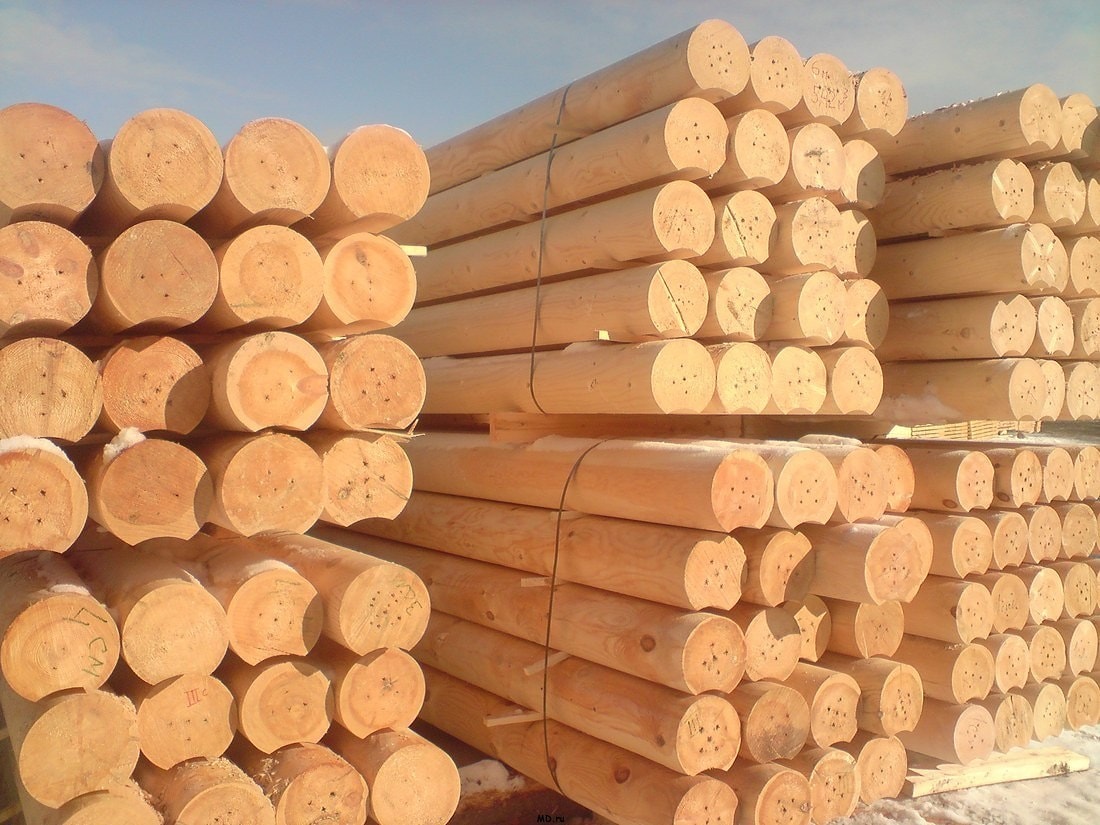
Mobile wooden firm, projection "Pine" price xiv.300 €
Mobile wooden house "White Woods" price 33.300 €
Source: https://ownwoodenhouse.com/index.pl?act=NEWSSHOW&id=2017102005
Posted by: reevenonsts.blogspot.com
0 Response to "What Is The Chemical Makeup Of Wood"
Post a Comment